
Key Takeaways
- Pure chocolate is naturally gluten-free, dairy-free, and soy-free, but processed versions may contain allergens.
- Look for clear certifications and simple ingredients to ensure safety.
- Dark chocolate is rich in antioxidants and fits clean, anti-inflammatory diets.
- Family-friendly brands like Enjoy Life and Hu provide peace of mind.
- Use allergen-free chocolate in baking, snacking, and recipes for a safe and delicious experience.
Introduction: Why Allergen-Free Chocolate Matters
For individuals and families navigating food sensitivities or choosing to eat clean, finding indulgent treats that are safe can be a challenge. Chocolate, a beloved treat across all ages, often sparks the question: Is chocolate gluten-free?
This article explores the truth about chocolate and allergens, providing clarity for health-conscious home cooks, families managing food allergies, and wellness enthusiasts pursuing a gluten-free, dairy-free, and soy-free lifestyle. Beyond just answering the question, we’ll dive into nutritional benefits, substitution tips, storage guidance, and highlight the best choices for anti-inflammatory recipes and family-friendly, allergy-safe meals.
Understanding Chocolate and Gluten
Pure Chocolate vs. Processed Chocolate
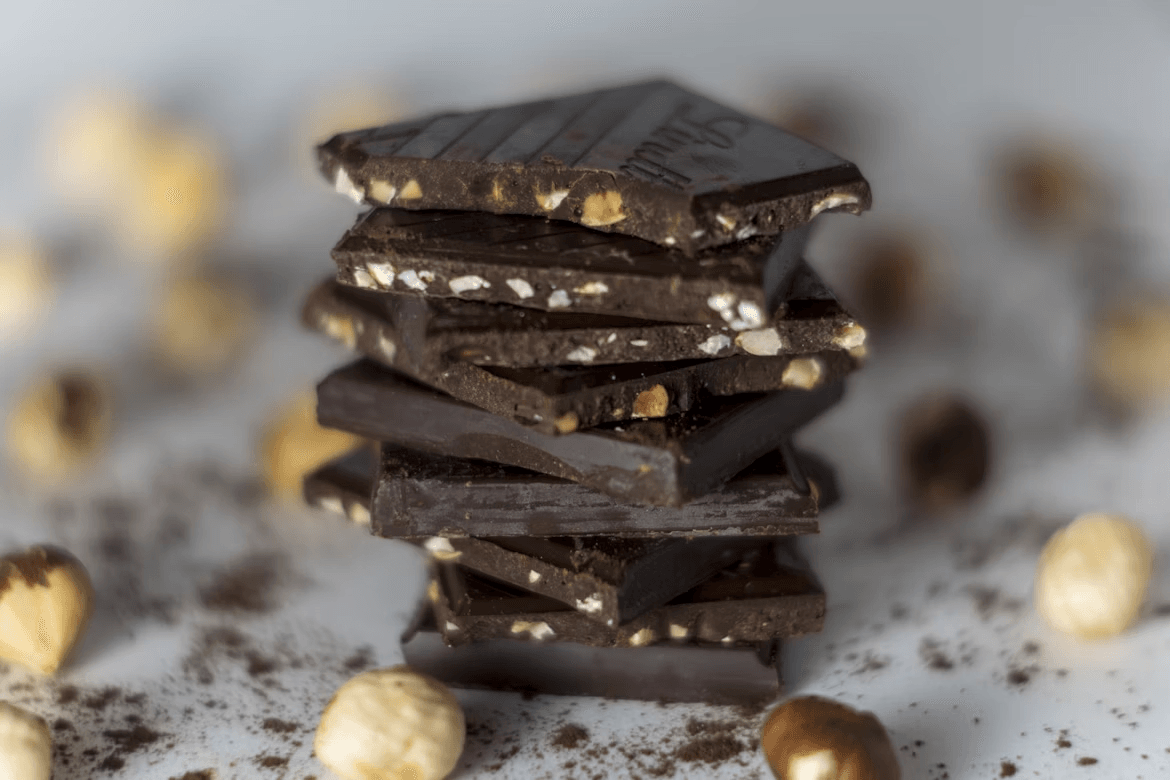
- Pure chocolate (cocoa solids + cocoa butter + sugar) is naturally gluten-free, dairy-free, and soy-free.
- Processed chocolate may contain or be contaminated with:
- Gluten-containing additives (e.g., malt, barley malt extract)
- Milk derivatives or lactose
- Soy lecithin as an emulsifier
- Cross-contamination from shared equipment
Why Gluten May Sneak Into Chocolate
Some manufacturers produce chocolate in facilities that also process wheat, risking gluten cross-contamination. Always look for certified gluten-free labels and allergy-friendly manufacturing practices.
What to Look for in Gluten-Free, Dairy-Free, and Soy-Free Chocolate
Labels and Certifications
- Certified Gluten-Free: Guarantees <20 ppm gluten.
- Dairy-Free/Vegan: No milk, cream, whey, or lactose.
- Soy-Free: Avoids soy lecithin; alternatives include sunflower lecithin.
- Allergen-Free: Brands like Enjoy Life, Pascha, and Hu offer allergy-safe, family-friendly chocolate options.
Ingredients to Avoid
- Barley malt or malt extract
- Milk solids, butterfat
- Soy lecithin (unless explicitly soy-free)
- Artificial flavorings or stabilizers
Ingredients to Seek
- Organic cocoa or cacao
- Coconut sugar or unrefined sweeteners
- Coconut milk or oat milk for creaminess
- Sunflower lecithin or no emulsifier
Nutritional Highlights of Clean Chocolate
Macros (Per 1 oz of 70% Dark Chocolate)
- Calories: ~150-170 kcal
- Protein: ~2g
- Healthy Fats: ~12g (monounsaturated + saturated from cocoa butter)
- Fiber: ~3g
- Carbs: ~12g (lower if unsweetened or naturally sweetened)
Health Benefits
- Antioxidants: Rich in flavonoids and polyphenols
- Mood Support: Boosts serotonin and endorphin levels
- Anti-inflammatory: Especially with minimal sugar and no dairy or soy
Clean Eating Tips for Chocolate Lovers
Substitutions
- Milk chocolate cravings? Try coconut milk chocolate or oat milk-based bars.
- Nut allergies? Pick seed-based chocolates or brands without shared equipment.
- Soy-free? Choose chocolate with sunflower lecithin or no emulsifier at all.
Best Uses for Allergen-Free Chocolate
- Melting for dairy-free hot chocolate or sauces
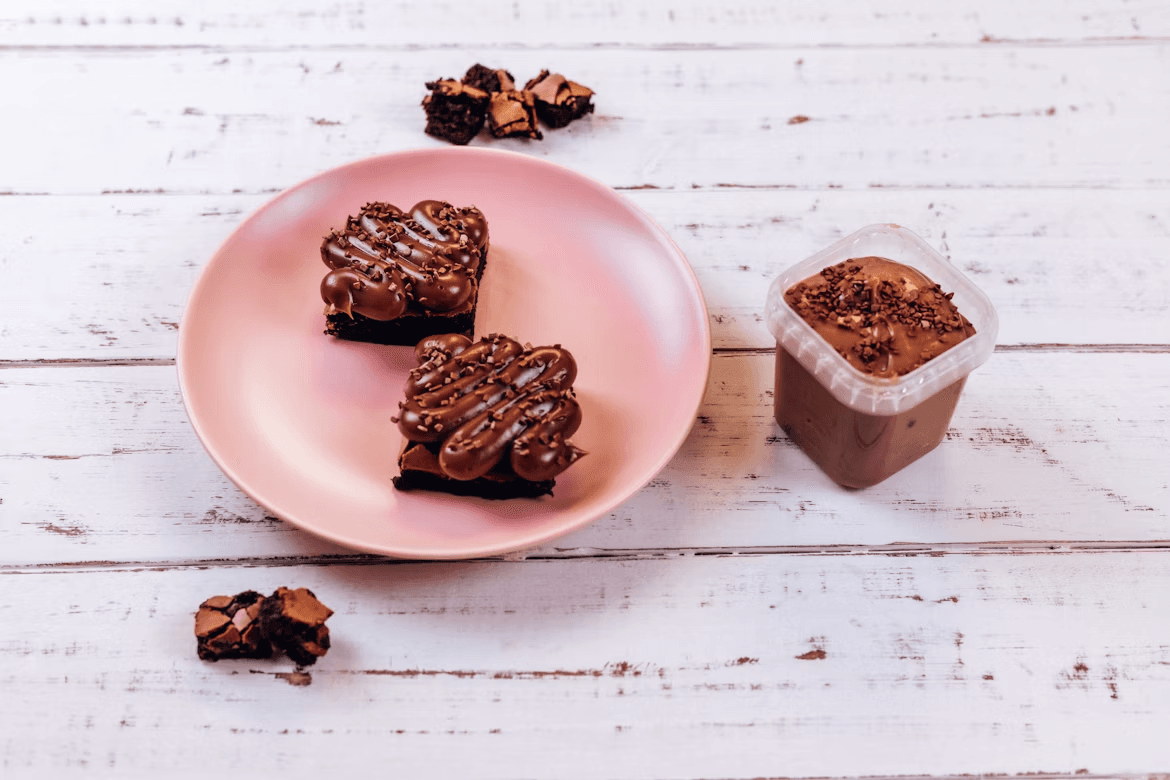
- Baking in gluten-free muffins or brownies
- Snacking or adding to trail mix
- Dipping fruit or gluten-free pretzels
Storage Tips
- Store in a cool, dark place (65°F to 70°F)
- Avoid humidity and temperature changes
- For long-term storage, refrigerate in an airtight container, then allow to return to room temp before eating
Conclusion:
Choosing chocolate while maintaining a gluten-free, dairy-free, and soy-free diet is absolutely possible and even rewarding. With the right brands and a bit of label reading, you can enjoy the deep, rich flavors of chocolate without compromising your health or triggering sensitivities. Whether you’re baking for your family or simply indulging in a square of dark delight, allergen-free chocolate makes clean eating and anti-inflammatory living both safe and satisfying.
Frequently Asked Questions (FAQ): Is Chocolate Gluten-Free and Allergen-Friendly?
1. Is all dark chocolate gluten-free?
Not necessarily.
While pure dark chocolate—made with just cocoa solids, cocoa butter, and sugar—is naturally gluten-free, many commercial brands add ingredients such as cookie pieces, barley malt, or flavorings that contain gluten. Additionally, some products are made in facilities that process wheat, leading to cross-contamination.
Tip: Always check the label for a Certified Gluten-Free symbol and avoid products with vague terms like “natural flavors” unless verified by the brand.
2. What chocolate brands are best for allergen-free meals?
Here are a few brands known for producing gluten-free and top-8 allergen-free chocolate products:
- Enjoy Life Foods – Free from 14 allergens, including gluten, dairy, soy, nuts, and more.
- Pascha Chocolate – Organic, vegan, and made in an allergen-free facility.
- Hu Kitchen – Known for simple ingredients and no refined sugar, dairy, or gluten.
- Evolved Chocolate – Paleo-friendly, dairy-free, gluten-free, and soy-free options.
These brands are excellent for people managing food allergies or creating safe, inclusive desserts.
3. Can I bake with allergen-free chocolate?
Absolutely!
Allergen-free chocolate chips, chunks, or bars perform just as well as conventional chocolate in baking. They melt smoothly, mix easily into batters, and can be used in:
- Cookies and brownies
- Muffins and cupcakes
- Cakes and ganache toppings
- Just ensure you’re also using allergen-free flours and ingredients throughout your recipe to maintain a safe, allergen-free treat.
4. Is white chocolate gluten-free and dairy-free?
Traditional white chocolate is made with cocoa butter, sugar, and milk solids, so it’s not dairy-free.
However, many specialty and vegan brands offer dairy-free white chocolate alternatives, often made with:
- Coconut milk
- Rice milk
- Oat milk
- For a gluten-free and dairy-free white chocolate, look for certified brands like Pascha or No Whey! Foods, which cater specifically to allergen-conscious consumers.
5. Is chocolate safe for kids with multiple food allergies?
Yes, but with caution.
Children with multiple food allergies can enjoy chocolate, provided it is certified allergen-free and produced in a dedicated facility that avoids cross-contact.
To ensure safety:
- Choose brands labeled “Free From Top 8 Allergens.”
- Always test a small amount first to observe any potential reaction.
- Avoid bulk-bin or unpackaged chocolate, which poses a higher risk of contamination.