
Why Allergen-Free Eating Matters
Adopting a gluten-free, dairy-free, and soy-free diet can transform your health. For people with celiac disease, gluten intolerance, lactose sensitivity, or soy allergies, eliminating these ingredients isn’t a trend—it’s a necessity. Beyond managing allergies, this type of clean eating can:
- Reduce inflammation
- Improve gut health
- Support hormone balance
- Boost energy levels
- Clear skin and improve mood
Allergen-free meals also make it easier to plan for family-friendly dining when multiple sensitivities are in play. The recipes and tips below help you enjoy diverse, flavorful, anti-inflammatory recipes without compromising your wellness goals.
So, Is Farro Gluten-Free?
The simple answer is that farro, in all its forms, inherently contains gluten. Gluten is a group of proteins found in wheat, barley, and rye, responsible for the elastic texture of dough. As a direct descendant of ancient wheat varieties, farro naturally possesses these gluten proteins within its kernel. This fundamental characteristic makes it completely off-limits for individuals managing celiac disease, a serious autoimmune disorder triggered by gluten, or those experiencing non-celiac gluten sensitivity.
While farro enjoys a reputation as a nutritious and fiber-rich whole grain, its nutritional benefits do not negate its gluten content. It’s crucial to distinguish between the health advantages of a grain and its suitability for specific dietary restrictions. The marketing of farro often highlights its wholesome qualities, which can unfortunately lead to confusion for those navigating a gluten-free lifestyle. It’s therefore essential to always check ingredient lists and nutritional information panels meticulously to avoid unintentional gluten exposure.
For those requiring a gluten-free diet, there are numerous delicious and nutritious alternatives to farro. These include grains like quinoa, rice (brown, white, wild), buckwheat, amaranth, and certified gluten-free oats. These grains offer a similar versatility in cooking and can be used in a wide range of dishes, from salads and pilafs to soups and side dishes, without posing the health risks associated with gluten consumption for sensitive individuals. Therefore, while farro may be a healthy choice for those without gluten-related conditions, it is unequivocally not a gluten-free grain.
What Is Farro?
Farro encompasses three ancient wheat varieties:
- Einkorn
- Emmer
- Spelt.
While these grains contain gluten, they generally have lower gluten levels compared to modern wheat. Nevertheless, due to their gluten content, farro is not suitable for individuals adhering to a strict gluten-free diet.
Nutritional Highlights of Farro (for reference only)
Per 1 cup cooked:
- Calories: ~200
- Protein: 7g
- Fiber: 5g
- Fat: 1g (healthy fats)
- Iron: 15% DV
- Magnesium & Zinc: present in moderate amounts
While farro is nutritious, you can get similar benefits from gluten-free grains
Gluten-Free Substitutes for Farro
Looking for allergen-friendly alternatives to farro? Try these options:
Gluten-Free, Dairy-Free, Soy-Free Farro Substitutes:
- Quinoa – High in protein, cooks fast, fluffy texture
- Brown rice – Mild taste, good for soups, bowls
- Buckwheat – Despite the name, it’s gluten-free!
- Millet – Light, slightly nutty flavor
- Sorghum – Chewy, great in salads
These grains are safe for clean eating, anti-inflammatory recipes, and family-friendly allergy-safe recipes.
5 Delicious Allergen-Free Recipes to Replace Farro
All recipes are gluten-free, dairy-free, soy-free, and perfect for home cooks seeking whole-body wellness.
1. Quinoa Rainbow Veggie Bowl
Ingredients:
- 1 cup quinoa, cooked
- 1 cup steamed broccoli
- ½ cup shredded carrots
- ½ avocado, sliced
- 2 tbsp olive oil + lemon juice dressing
Instructions:
- Combine ingredients in a bowl.
- Drizzle with olive oil and lemon juice.
- Enjoy warm or cold.
Nutrition:
- 350 cal
- 9g protein
- High in vitamin C & fiber
2. Buckwheat Mushroom Pilaf
Ingredients:
- 1 cup buckwheat groats
- ½ cup sliced mushrooms
- 1 clove garlic, minced
- 1 tbsp olive oil
Instructions:
- Saute garlic and mushrooms.
- Add cooked buckwheat.
- Stir to combine and season with salt and pepper.
Nutrition:
- 320 cal
- 7g protein
- Low GI, rich in antioxidants
3. Millet & Zucchini Stir Fry
Ingredients:
- 1 cup cooked millet
- 1 small zucchini, chopped
- ½ red bell pepper, sliced
- 2 tbsp coconut aminos (soy-free alternative)
Instructions: - Stir-fry veggies in olive oil.
- Add millet and coconut aminos.
- Cook for 3 mins. Serve hot.
Nutrition: - 290 cal
- 6g protein
- Anti-inflammatory boost
4. Brown Rice & Lentil Salad
Ingredients:
- 1 cup cooked brown rice
- ½ cup cooked lentils
- ½ cucumber, diced
- Fresh herbs: parsley & mint
- Lemon-olive oil vinaigrette
Instructions:
- Mix all ingredients.
- Chill for 30 mins before serving.
Nutrition:
- 370 cal
- 11g protein
- Great for meal prep
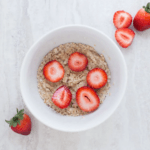
5. Sorghum Breakfast Porridge
Ingredients:
- ½ cup cooked sorghum
- 1 cup unsweetened almond milk (or oat milk)
- 1 tsp cinnamon
- 1 tbsp maple syrup
- Berries for topping
Instructions:
- Heat sorghum with milk and cinnamon.
- Sweeten with syrup.
- Top with berries.
Nutrition:
- 310 cal
- 5g protein
- Naturally sweet & filling
Tips for Substitutions & Storage
Easy Swaps:
- Coconut aminos for soy sauce
- Oat milk or almond milk instead of cow’s milk
- Vegan butter or avocado oil instead of dairy butter
- Nutritional yeast for cheesy flavor
Storage Advice:
- Cooked grains can be refrigerated up to 5 days
- Freeze portions in airtight containers for up to 1 month
- Store dry grains in cool, dark pantry areas for up to 6 months
Final Thoughts
Farro contains gluten, making it unsuitable for those with celiac disease, gluten sensitivity, or wheat allergies. However, a wide variety of naturally gluten-free grains like quinoa, rice, buckwheat, millet, sorghum, and certified gluten-free oats offer delicious alternatives. Beyond grains, legumes, fruits, vegetables, and healthy fats can create satisfying allergen-free meals. Successful allergen-free cooking involves understanding ingredient interactions and experimenting with flavors and techniques. This dietary approach can be a journey of discovery, empowering individuals to enjoy flavorful and nutritious meals while managing dietary needs. Exploring resources like newsletters can further enhance one’s ability to create delicious and safe allergen-free meals.
FAQ: Gluten-Free, Dairy-Free, Soy-Free Living
What are suitable substitutes for soy sauce in a soy-free diet?
Soy sauce alternatives for those avoiding soy include coconut aminos (sweet, umami flavor) and tamari (richer flavor). For gluten-sensitive individuals using tamari, confirm it’s labeled “gluten-free” to avoid wheat cross-contamination. These options provide savory flavor without soy.
Is unsweetened almond milk a suitable choice for individuals following a dairy-free diet?
Absolutely! Unsweetened almond milk is a widely embraced and versatile staple in dairy-free eating. It is naturally free of lactose, the sugar found in dairy milk that many individuals cannot digest. Its mild flavor makes it an excellent substitute for cow’s milk in a variety of applications, from beverages like coffee and smoothies to cooking and baking. Furthermore, unsweetened varieties are often favored in “clean eating” approaches as they typically contain fewer added sugars and artificial ingredients. Always check the label to confirm it is indeed unsweetened and doesn’t contain any unexpected dairy-derived components.
Can oats be included in a gluten-free diet? What precautions should be taken?
While naturally gluten-free, oats are often processed in facilities handling gluten-containing grains, leading to cross-contamination risks. Therefore, for a gluten-free diet, only certified gluten-free oats should be consumed to avoid adverse reactions.
Is farro a safe grain for individuals with wheat allergies or gluten sensitivity?
No, farro is definitively not safe for individuals with wheat allergies or gluten sensitivity. Farro is an ancient grain that is a direct variety of wheat. As such, it inherently contains gluten, the protein that triggers adverse reactions in people with celiac disease, non-celiac gluten sensitivity, and wheat allergies. Consuming farro can lead to a range of uncomfortable and potentially harmful symptoms for these individuals. It is crucial to avoid farro and any products containing it, carefully checking ingredient lists to ensure it is not present under other names or as a component of other grains.
Which grains are considered the most beneficial for anti-inflammatory diets?
Quinoa and buckwheat are gluten-free grains ideal for anti-inflammatory diets. They are rich in nutrients and antioxidants. Quinoa is a complete protein and a good source of fiber and magnesium. Buckwheat contains rutin, an antioxidant beneficial for inflammation and blood vessel health. Incorporating these grains can help manage inflammation through diet.