
Key Takeaways
- Traditional Mayonnaise Composition: Inherently, the core ingredients of mayonnaise—eggs, oil, and acid—are naturally gluten-free and dairy-free.
- Label Scrutiny is Essential: Always check labels for “gluten-free” certifications on store-bought mayonnaise to ensure safety and to avoid hidden gluten or dairy components.
- Beware of Specific Additives: Be cautious of ingredients like malt vinegar and unidentified flavorings or thickeners, which could introduce gluten.
- Cross-Contamination Awareness: Recognize the potential for cross-contamination in manufacturing and shared environments, especially for those with severe sensitivities.
- Homemade Offers Control: Making your own mayonnaise at home is the most reliable way to guarantee it is entirely free from gluten, dairy, and unwanted additives.
- Vegan Options are Available: Many plant-based or vegan mayonnaise alternatives are excellent choices for both gluten-free and dairy-free diets, but still require label verification
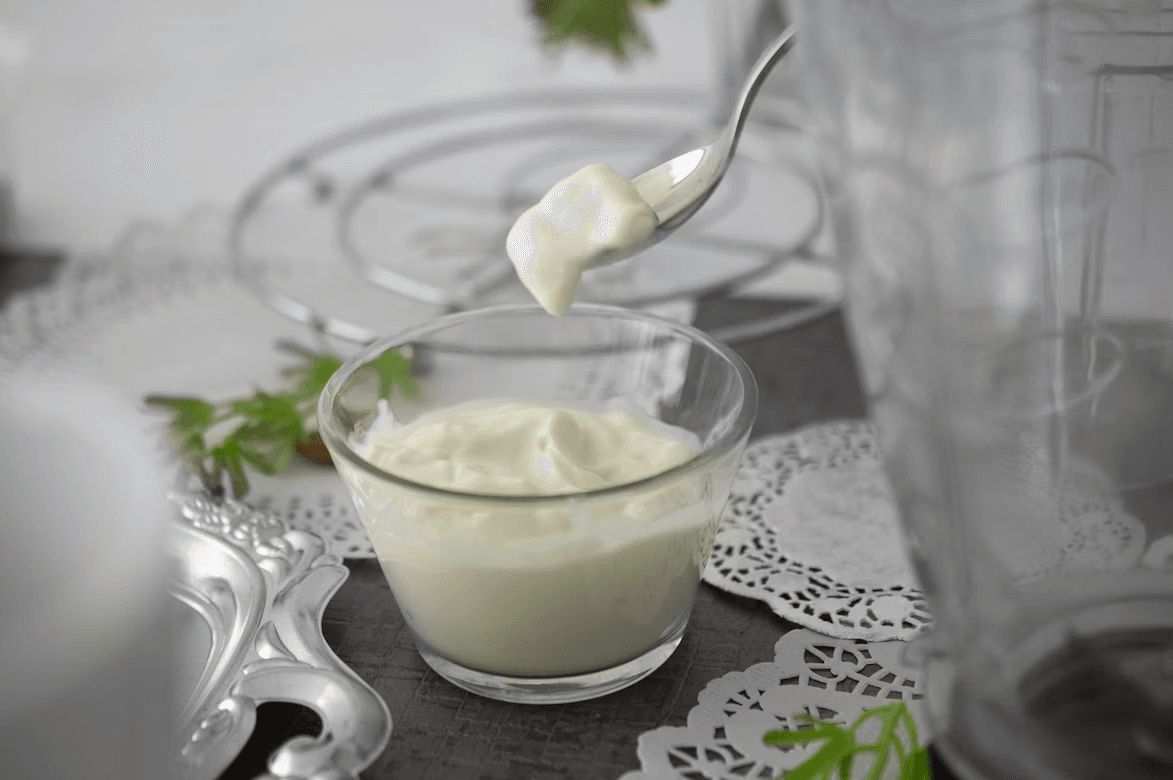
Mayonnaise, that creamy, versatile condiment, is a beloved addition to countless dishes, from enhancing a simple sandwich to enriching a vibrant potato salad. For those navigating the complexities of gluten-free and dairy-free diets, a crucial question often arises: “Is mayonnaise safe for me?” The good news is, in its traditional form, mayonnaise is generally both gluten-free and dairy-free. However, the world of commercial condiments can be nuanced, and understanding these subtleties is key to confident and worry-free eating. This comprehensive guide will delve into the ingredients, potential hidden culprits, trusted brands, and the simple joys of making your own allergen-safe mayonnaise at home.
The Core Composition of Mayonnaise: Naturally Allergen-Friendly
Traditional mayonnaise is a triumph of culinary emulsion, typically crafted from a few fundamental ingredients, none of which inherently contain gluten or dairy:
- Eggs (Primarily Yolks)
- Egg yolks are the primary emulsifying agent, binding the oil and acid into a stable, creamy consistency. Eggs are naturally gluten-free and dairy-free.
- Oil
- Neutral-flavored vegetable oils such such as canola, sunflower, avocado, or olive oil are commonly used. All these oils are naturally gluten-free and dairy-free.
- Acid
- Vinegar (like white vinegar or apple cider vinegar) or lemon juice provides tanginess and helps stabilize the emulsion. These are also naturally gluten-free and dairy-free.
- Seasonings
- Salt is a standard seasoning, and often, a touch of mustard (such as Dijon or yellow mustard) is added for flavor and to aid in emulsification. Most plain mustards are gluten-free, but it’s always wise to check labels for flavored varieties.
Given these core components, a mayonnaise prepared with these basic ingredients will inherently be suitable for those avoiding gluten and dairy.
Navigating Store-Bought Mayonnaise: What to Watch For
While the fundamental recipe of mayonnaise is naturally gluten-free and dairy-free, the commercial manufacturing landscape introduces complexities. Manufacturers may incorporate additional ingredients, thickeners, emulsifiers, or flavorings that could potentially contain gluten or dairy. Furthermore, the risk of cross-contamination during production is a significant concern for individuals with celiac disease or severe gluten sensitivities.
Popular Gluten-Free and Dairy-Free Mayonnaise Brands
Many reputable brands explicitly label their mayonnaise as gluten-free, offering peace of mind for those with celiac disease or gluten sensitivities. Here’s a table summarizing some widely recognized options:
| Brand Name | Gluten-Free Status | Dairy-Free Status | Key Features / Notes |
|---|---|---|---|
| Hellmann’s/Best Foods Real Mayonnaise | Certified Gluten-Free | Dairy-Free | Classic flavor, widely available. Also offers Light and Organic versions. |
| Duke’s Mayonnaise | Naturally Gluten-Free | Dairy-Free | Known for its rich, tangy flavor; no sugar added. |
| Chosen Foods Avocado Oil Mayonnaise | Certified Gluten-Free | Dairy-Free | Made with 100% pure avocado oil; paleo and keto-friendly. |
| Earth Balance Mayonnaise | Certified Gluten-Free | Dairy-Free (Vegan) | Plant-based, often egg-free, soy-free, and non-GMO. |
| Sir Kensington’s Organic Mayo | Certified Gluten-Free | Dairy-Free | Uses humane, free-range eggs; non-GMO and free from artificial colors. |
| Woodstock Organic Mayonnaise | Certified Gluten-Free | Dairy-Free | Organic ingredients, a reliable choice for clean eating. |
| Niuke Foods Plant-Based Mayo | Certified Gluten-Free | Dairy-Free (Vegan) | Vegan alternative, great for those avoiding eggs and dairy. |
It is always recommended to verify the most current packaging information or the brand’s official website for the latest gluten-free certifications and ingredient lists, as formulations can occasionally change.
Empowering Your Kitchen: Making Homemade Gluten-Free and Dairy-Free Mayonnaise
Simple Homemade Mayonnaise (Gluten-Free & Dairy-Free)
Yields: Approximately 1 cup
Prep time: 5 minutes
Ingredients:
- 1 large egg yolk (pasteurized recommended)
- 1/2 cup neutral-flavored oil (such as avocado, sunflower, or light olive oil)
- 1 tablespoon lemon juice or distilled white vinegar (ensure it’s gluten-free)
- 1/4 teaspoon salt
- 1/4 teaspoon gluten-free Dijon mustard (optional, for flavor and stability)
Equipment: - Small bowl or jar (wide-mouth Mason jar works well)
- Immersion blender or whisk
Instructions:
Using an Immersion Blender:
- Combine the egg yolk, lemon juice or vinegar, salt, and mustard (if using) in the bowl or jar.
- Pour all the oil on top of the mixture.
- Place the immersion blender all the way at the bottom of the bowl, ensuring the blades are fully submerged.
- Start blending on the lowest setting and keep the blender still for about 20-30 seconds, or until the mixture at the bottom starts to turn pale and emulsify.
- Slowly begin to lift the blender upwards, continuing to blend. The mayonnaise will thicken as you move the blender up and incorporate more oil.
- Once all the oil is incorporated and the mayonnaise is thick and creamy, stop blending.
- Taste and adjust seasoning (salt or lemon juice) if needed.
Using a Whisk: - Combine the egg yolk, lemon juice or vinegar, salt, and mustard (if using) in a bowl. Whisk vigorously until the mixture is slightly pale and combined.
- Very slowly, drop by drop at first, begin whisking in the oil. Whisk constantly and energetically.
- As the mixture starts to emulsify and thicken, you can gradually increase the stream of oil, but continue to whisk constantly.
- If the mayonnaise becomes too thick too quickly, you can add a tiny drop of water to help loosen it, but be careful not to add too much.
- Continue whisking until all the oil is incorporated and the mayonnaise is thick and creamy.
- Taste and adjust seasoning (salt or lemon juice) if needed.
Storage:
Store homemade mayonnaise in an airtight container in the refrigerator for up to 3-4 days due to the raw egg yolk.
Notes:
- Using room-temperature ingredients can help with emulsification.
- For a richer flavor, you can use extra virgin olive oil, but be aware that it can have a stronger taste.
- Experiment with other flavorings like garlic powder, paprika, or herbs once the base mayonnaise is made.
To Sum It Up:
Navigating a gluten-free and dairy-free lifestyle doesn’t mean you have to forsake the creamy delight of mayonnaise. While traditional mayonnaise is naturally aligned with these dietary needs, the key to confidently incorporating this versatile condiment into your meals, especially when store-bought, lies in informed decision-making and diligent label reading. By opting for certified gluten-free brands or, better yet, embracing the simplicity of homemade mayonnaise, you can enjoy its rich flavor and creamy texture with complete peace of mind. Empower yourself with knowledge, and let mayonnaise continue to enhance your gluten-free and dairy-free culinary adventures without a worry.
Quick Questions and Answers (FAQ):
Is all store-bought mayonnaise gluten-free?
Most plain mayonnaise is naturally gluten-free due to its fundamental ingredients, but it is crucial to always check the label. Some flavored or specialty varieties might contain gluten-derived additives or face risks of cross-contamination during manufacturing.
Can mayonnaise contain dairy?
Traditional mayonnaise does not contain dairy ingredients. It is made from eggs, oil, and vinegar/lemon juice. However, similar to gluten, certain flavored or processed mayonnaise products might include dairy-derived additives, so careful label reading is always recommended.
What ingredients should I specifically watch out for in store-bought mayonnaise?
Be particularly vigilant for “malt vinegar,” which is derived from barley and contains gluten. Also, scrutinize ingredient lists for any unconfirmed flavorings, thickeners, or additives that might be wheat-based or manufactured in shared facilities.
Are vegan mayonnaises always gluten-free and dairy-free?
Many vegan mayonnaise products are indeed both gluten-free and dairy-free, as they use plant-based alternatives like aquafaba (chickpea water) or soy protein as egg substitutes. However, it’s still essential to confirm their certifications and ingredient lists on the packaging to ensure they meet all your dietary requirements.
How can I be absolutely sure a mayonnaise product is safe for my gluten-free and dairy-free diet?
The safest approach is to look for explicit “gluten-free” certification seals on packaging and to thoroughly review the ingredient list for any potential hidden gluten or dairy sources. Researching the brand’s manufacturing practices and cross-contamination prevention efforts online can also provide additional peace of mind. Alternatively, making your own mayonnaise at home gives you complete control over every ingredient.