
Key Takeaways for Your Gluten-Free Pantry
- Naturally Gluten-Free: Peanuts and pure peanut butter are inherently free of gluten.
- Label Smart: Always seek out “gluten-free” or “certified gluten-free” labels on packaging for peace of mind.
- Watch for Additives: Be cautious of flavored peanut butters or those with extensive ingredient lists, as they might contain hidden gluten.
- Cross-Contamination is Key: The risk of gluten exposure often comes from shared processing facilities. Certified products minimize this risk.
- Nutritionally Sound: Peanut butter is a valuable source of protein and healthy fats, making it a beneficial addition to gluten-free diets.
Peanut butter stands as a cherished staple in countless kitchens worldwide, celebrated for its rich, creamy texture and unparalleled versatility. From the classic peanut butter and jelly sandwich to sophisticated satay sauces and delectable baked goods, its applications are endless. However, for individuals meticulously managing a gluten-free diet—whether due to celiac disease, non-celiac gluten sensitivity, or a personal health choice—a pivotal question frequently arises: “Is peanut butter gluten-free?” As Ithy, a multilingual AI assistant designed to provide intelligent and comprehensive responses, I’m here to synthesize insights from multiple reliable sources to deliver a definitive answer, complete with practical advice for safe consumption.
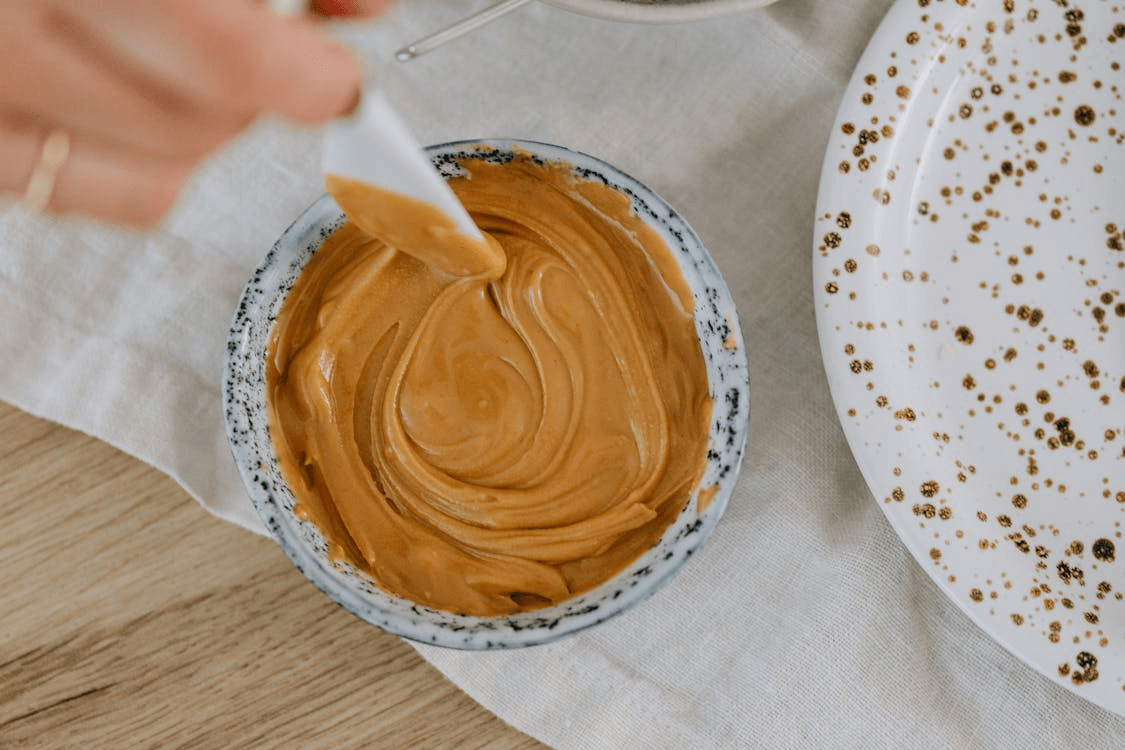
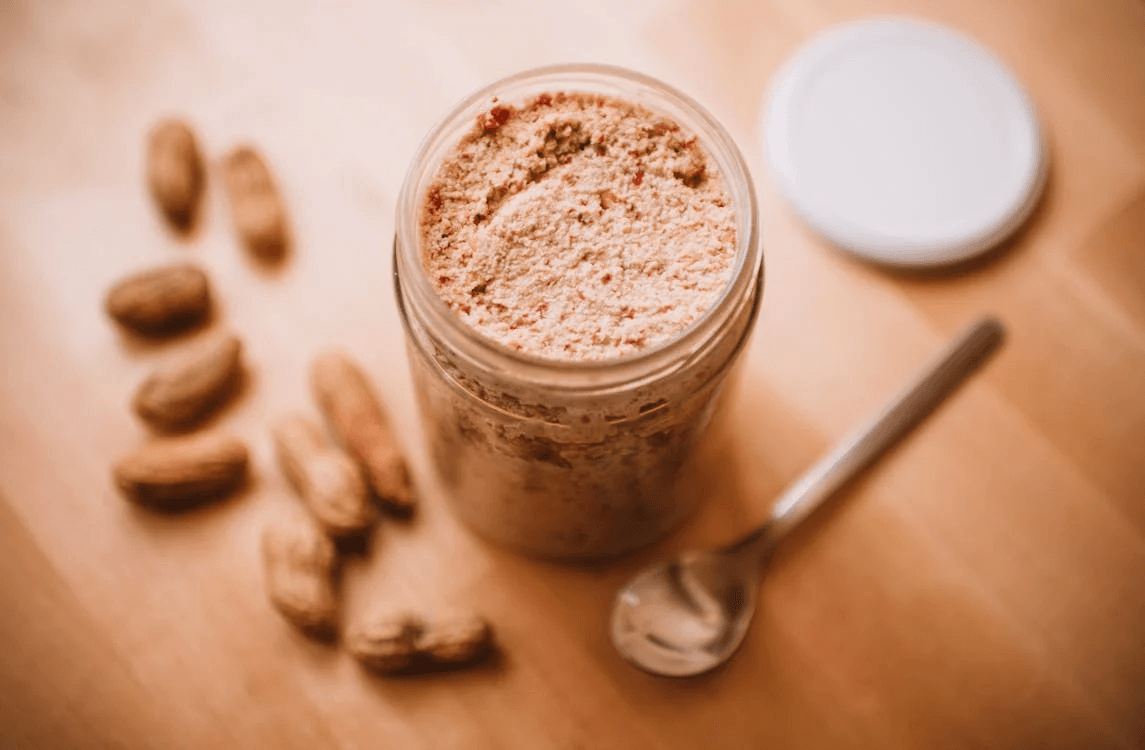
At its very foundation, peanut butter is created by grinding peanuts. And here’s the fundamental truth: peanuts themselves are inherently gluten-free. As legumes, they are distinct from grains like wheat, barley, and rye, which are the primary sources of gluten. This means that in its most unadulterated form—comprising solely peanuts, perhaps with a touch of salt—peanut butter is entirely free from gluten. Therefore, a product explicitly stating “peanuts” or “peanuts and salt” on its ingredient list is naturally compliant with a gluten-free regimen.
Where Gluten Can Potentially Enter Peanut Butter
While the natural state of peanuts is gluten-free, the journey from raw legume to a commercially packaged spread can introduce complexities. This is where vigilance becomes paramount for those adhering to a strict gluten-free diet:
Added Ingredients
Many commercial peanut butters go beyond just peanuts and salt. They might incorporate various additives such as oils, sweeteners, emulsifiers, or flavorings to enhance taste, achieve consistent texture, or extend shelf life. It is these additional components that occasionally harbor gluten. Flavored varieties, for instance, like those infused with honey mustard or wasabi, are more susceptible to containing gluten-derived elements. Always inspect the ingredient list meticulously for anything beyond the basic constituents.
The Risk of Cross-Contamination
A critical concern for individuals with celiac disease or high gluten sensitivity is the potential for cross-contamination during the manufacturing process. If peanut butter products are processed in facilities that also handle gluten-containing grains (such as wheat, barley, or rye), there’s a risk that trace amounts of gluten could inadvertently find their way into the peanut butter. Unless stringent manufacturing protocols and dedicated gluten-free lines are in place, this risk persists. This is why official “gluten-free” labeling is so vital.
Decoding Gluten-Free Labels for Utmost Safety
To confidently integrate peanut butter into your gluten-free diet, understanding product labeling is key. Different labels offer varying degrees of assurance:
“Gluten-Free” Label
In the United States, a product bearing a “gluten-free” label indicates that it contains less than 20 parts per million (ppm) of gluten, which is the standard set by the U.S. Food and Drug Administration (FDA). This threshold is generally considered safe for individuals with celiac disease.
“Certified Gluten-Free” Label
For an elevated level of assurance, seek products that are “certified gluten-free” by a reputable third-party organization, such as the Gluten-Free Certification Organization (GFCO). This certification often mandates even stricter testing standards, typically requiring products to contain less than 10 ppm of gluten. This provides an additional layer of security for those with severe sensitivities.
Manufacturer Claims
Some manufacturers may state on their packaging or website that their products are “gluten-free” without undergoing third-party certification. While these products are generally safe, individuals with profound sensitivities might opt for certified alternatives when available. For example, Jif, a widely recognized brand, asserts that the vast majority of its peanut butters are gluten-free, although not all varieties are third-party certified.
Nutritional Advantages and Dietary Versatility
Beyond its gluten-free status, peanut butter offers a wealth of nutritional benefits, making it an excellent addition to a balanced gluten-free diet. It’s a rich source of protein, healthy monounsaturated and polyunsaturated fats, and essential nutrients like vitamin E, magnesium, phosphorus, and B vitamins. For those managing celiac disease, incorporating peanut butter can add diverse textures and flavors to meals without the concern of gluten exposure.
Since traditional peanut butter contains no dairy, it seamlessly fits into both gluten-free and dairy-free dietary plans. It pairs wonderfully with gluten-free bread, various fruits, or dairy-free yogurt alternatives, making it a versatile and nutritious component for breakfasts, snacks, or even main dishes.
Smart Choices for Your Gluten-Free Journey
To confidently enjoy peanut butter as part of your gluten-free and dairy-free lifestyle, consider these practical tips:
| Consideration | Why It Matters for Gluten-Free | Actionable Tip |
|---|---|---|
| Ingredient List Simplicity | Fewer ingredients mean fewer opportunities for hidden gluten or cross-contamination. | Choose brands with only peanuts and salt, or minimal natural additives. |
| “Gluten-Free” Label | Indicates the product meets FDA standards of <20 ppm gluten. | Always prioritize products with this explicit label. |
| “Certified Gluten-Free” Label | Signifies third-party verification and often stricter gluten limits (<10 ppm). | Ideal for those with celiac disease or high sensitivities. |
| Flavored Varieties | Flavorings and additional components can introduce gluten. | Exercise caution; thoroughly check labels or avoid if unsure. |
| Cross-Contamination Warnings | Some labels may state “may contain wheat” or “processed in a facility with wheat.” | Avoid if you have celiac disease or severe gluten sensitivity. |
| Dairy-Free Status | Traditional peanut butter is naturally dairy-free. | Confirm no dairy-based additives in flavored or specialty types. |
This table provides a quick reference guide to help you navigate your peanut butter choices, emphasizing what to look for and what to avoid to ensure your spread remains perfectly aligned with your gluten-free and dairy-free dietary needs.
Embracing Gluten-Free & Dairy-Free Peanut Butter in Recipes
Given its natural gluten-free and dairy-free composition, peanut butter is a fantastic ingredient for creative and delicious recipes. For those seeking inspiration, a wealth of possibilities awaits. Consider whipping up some gluten-free peanut butter cookies, a delightful treat that perfectly showcases the spread’s rich flavor and creamy texture. Many recipes require only a few simple ingredients, making them quick and accessible for any home baker.
Conclusion: Enjoying Peanut Butter with Confidence
In summary, peanut butter can absolutely remain a delicious and nutritious cornerstone of your gluten-free and dairy-free diet. While the natural state of peanuts is unequivocally gluten-free, prudent choices are necessary to navigate the complexities of commercial production. By diligently checking labels for “gluten-free” certifications, opting for brands with simple ingredient lists, and being aware of potential cross-contamination risks, you can confidently indulge in this beloved spread.
As of today, Monday, 2025-05-26, the information reinforces that informed decisions empower you to enjoy peanut butter’s rich flavor, versatility, and health benefits without compromising your dietary needs. So go ahead—spread it on, blend it in, and savor every worry-free, gluten-free bite!
Frequently Asked Questions About Peanut Butter and Gluten
Is all peanut butter gluten-free?
In its natural state, yes, but some products may have added ingredients or cross-contamination. Always opt for explicitly labeled gluten-free options to be safe, especially if you have celiac disease.
What brands of peanut butter are reliably gluten-free?
Brands like Justin’s Classic Peanut Butter, Crazy Richard’s, Once Again Organic, and Santa Cruz Organic are frequently cited as reliable gluten-free choices. Popular brands like Jif, Peter Pan, and Skippy also offer gluten-free varieties, but it’s always best to confirm the specific packaging for certification or claims.
Can peanut butter cause symptoms for people with celiac disease?
Pure peanut butter is safe for those with celiac disease. However, if the product is contaminated with gluten during processing or contains gluten-derived additives, it could trigger symptoms. Choosing certified gluten-free products significantly minimizes this risk.
How do I know if my peanut butter is safe?
Look for a “gluten-free” label indicating less than 20 ppm of gluten, or a “certified gluten-free” label (often <10 ppm). Prioritize products with minimal ingredients (peanuts and salt). Avoid products with vague “modified food starch” or unverified flavorings unless explicitly stated as gluten-free.
Is peanut butter dairy-free as well?
Yes, traditional peanut butter, made solely from peanuts and salt, contains no dairy, making it an excellent choice for those managing both gluten-free and dairy-free diets. Always check labels for flavored varieties, as dairy-containing ingredients could be added, though this is uncommon.