


Introduction: Why Allergen-Free Snacking Matters
Living a health-conscious lifestyle often means reading labels twice, avoiding hidden ingredients, and reimagining comfort foods to fit allergen-free standards. Whether you’re navigating food sensitivities, an autoimmune condition, or simply aiming for clean eating, avoiding gluten, dairy, and soy can be transformative. These changes not only reduce inflammation and digestive issues but also promote long-term wellness.
Popcorn is a snack beloved by many—but is it safe for a gluten-free, dairy-free, and soy-free lifestyle?
This guide answers that question in depth and offers nutritious recipes that align with your dietary goals. Let’s explore how popcorn can be a crunchy, satisfying part of your anti-inflammatory, family-friendly diet.
Is Popcorn Naturally Gluten-Free?
Fortunately, plain, unadulterated popcorn is derived from corn, which is naturally gluten-free. As a whole grain, corn offers nutritional benefits and is a safe choice for those adhering to a gluten-free diet. This means that the basic popcorn kernels themselves do not contain gluten and, when prepared simply, remain a gluten-free snack.Potential Sources of Gluten in Popcorn Products
While the base ingredient is gluten-free, the landscape of commercially available popcorn products introduces several avenues for gluten contamination. Understanding these potential pitfalls is crucial for individuals managing gluten-related dietary restrictions:
1. Additives and Flavorings: Many pre-packaged or microwave popcorn varieties contain a plethora of additives to enhance flavor, texture, and shelf life. These additions can be a hidden source of gluten. For example, artificial butter or cheese flavorings frequently utilize ingredients derived from wheat or contain gluten as a component of their processing. Similarly, other flavor enhancers, thickeners, or stabilizers included in the seasoning packets might not be gluten-free. It’s essential to scrutinize ingredient lists for any mention of wheat, barley, rye, malt, or other gluten-containing ingredients.
2. Cross-Contamination During Manufacturing: Even if the ingredients themselves are inherently gluten-free, the manufacturing process can introduce cross-contamination. Popcorn products might be processed on shared equipment with wheat-based products. Without stringent cleaning protocols, trace amounts of gluten can transfer to the popcorn. This is particularly relevant for individuals with celiac disease, who require the strictest adherence to a gluten-free diet to avoid triggering an immune response.
3. Dairy and Soy Concerns: The original text also correctly points out the potential presence of dairy and soy in flavored popcorn. While not directly related to gluten, these are also common allergens or sensitivities. Individuals managing multiple dietary restrictions need to be particularly vigilant about ingredient declarations.Ensuring Your Popcorn is Gluten-Free
To enjoy popcorn safely while adhering to a gluten-free diet, consider the following strategies:
1. Prioritize Certified Gluten-Free Labels: Look for popcorn products that carry a certified gluten-free label from a reputable third-party organization. These certifications indicate that the product has undergone testing and meets specific standards for gluten content, offering a higher level of assurance.
2. Carefully Examine Ingredient Lists: When certified gluten-free options are unavailable, meticulously read the ingredient list of any popcorn product. Be aware of common gluten-containing ingredients such as wheat, wheat flour, modified food starch (unless specified as gluten-free), malt extract, and brewer’s yeast. Pay attention to “contains” statements, which will list any major allergens, including wheat.
3. Opt for Air-Popped or Homemade Popcorn: The safest way to guarantee your popcorn is gluten-free is to make it yourself. Starting with plain popcorn kernels and using your own gluten-free oil and seasonings gives you complete control over the ingredients. Air-popping eliminates the need for pre-packaged oils and flavorings, further reducing the risk of hidden gluten. When adding your own seasonings, ensure they are also certified gluten-free or have clearly gluten-free ingredient lists. Simple options like salt, nutritional yeast (which is typically gluten-free but should be verified), or gluten-free spice blends are good choices.
By understanding the inherent gluten-free nature of plain popcorn and being aware of the potential for added gluten in commercial products, individuals with gluten-related dietary needs can confidently enjoy this popular snack. Prioritizing certified gluten-free options and homemade preparations offers the greatest level of safety and control.
Nutritional Highlights of Popcorn
Popcorn can be a powerhouse of nutrients when prepared healthfully:
- Calories: ~90 per 3-cup serving (air-popped)
- Protein: 3g
- Fiber: 3.5g (great for digestion)
- Fat: Less than 1g if air-popped; healthy fats can be added with coconut or avocado oil
- Micronutrients: Contains magnesium, phosphorus, zinc, and polyphenols (antioxidants that fight inflammation)
Popcorn is also a low-glycemic index snack, making it a great option for blood sugar management.
Allergen-Free Popcorn Recipes
Here are 4 easy, healthy, and delicious popcorn recipes the whole family can enjoy.
1. Classic Coconut Oil Popcorn
Ingredients:
- 1/4 cup organic popcorn kernels
- 1 tbsp cold-pressed coconut oil
- Himalayan pink salt to taste
Instructions:
- Heat the coconut oil in a heavy-bottomed pan.
- Add popcorn kernels and cover with a lid.
- Shake gently until popping slows.
- Sprinkle salt and serve.
Benefits: Rich in MCTs (healthy fats) and naturally allergen-free.
2. Turmeric-Spiced Anti-Inflammatory Popcorn
Ingredients:
- 1/4 cup popcorn kernels
- 1 tbsp avocado oil
- 1/2 tsp turmeric
- 1/4 tsp cumin
- Dash of black pepper
- Sea salt to taste
Instructions:
- Pop the kernels in avocado oil.
- In a bowl, toss the popcorn with spices and salt.
- Mix well and enjoy warm.
Benefits: Curcumin in turmeric is a natural anti-inflammatory.
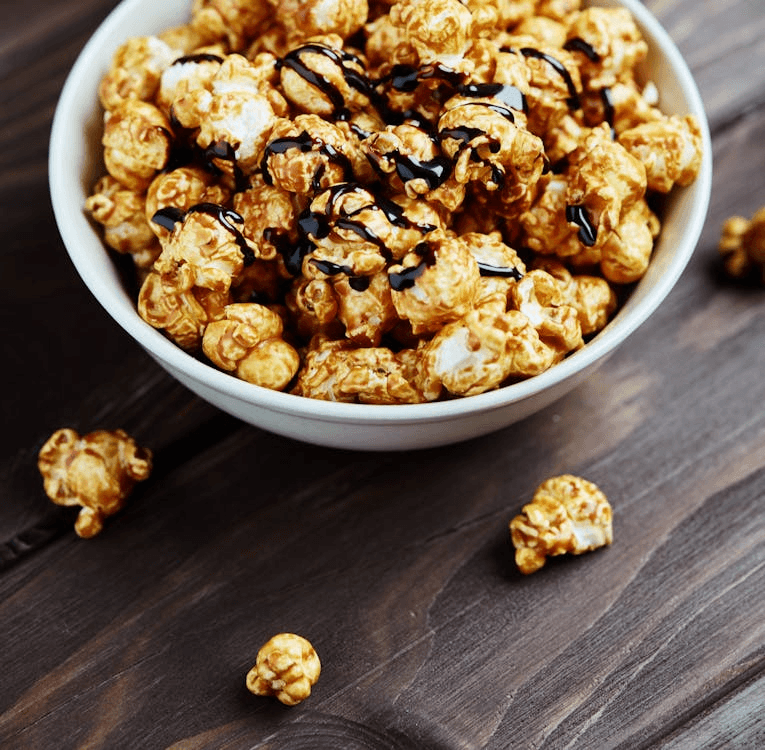
3. Cinnamon Maple Sweet Popcorn
Ingredients:
- 1/4 cup popcorn kernels
- 1 tbsp coconut oil
- 1 tbsp pure maple syrup
- 1/2 tsp cinnamon
Instructions:
- Pop the kernels in coconut oil.
- In a small saucepan, warm maple syrup and cinnamon.
- Drizzle over popcorn and mix thoroughly.
Benefits: Natural sweetness without refined sugar.
4. Cheezy Nutritional Yeast Popcorn (Dairy-Free!)
Ingredients:
- 1/4 cup popcorn kernels
- 1 tbsp olive oil
- 2 tbsp nutritional yeast
- 1/4 tsp garlic powder
- Sea salt to taste
Instructions:
- Pop kernels in olive oil.
- Toss with nutritional yeast, garlic powder, and salt.
Benefits: Nutritional yeast provides B vitamins and a cheesy flavor without dairy.
Substitution and Storage Tips
Substitutions:
- Instead of soy sauce: Use coconut aminos (soy-free, gluten-free, low-sodium)
- Instead of butter: Use ghee (if not sensitive to trace dairy) or cold-pressed oils like avocado or coconut
- Instead of cheese: Nutritional yeast adds a cheesy taste with no allergens
Storage:
- Store leftover popcorn in an airtight container for up to 3 days.
- Keep in a cool, dry place to maintain crunch.
- For best results, avoid refrigeration as it softens popcorn.
Conclusion: A Clean-Eating Favorite
Basically, popcorn is naturally gluten-free and a great whole grain, perfect if you’re avoiding gluten. Plus, it’s cheap and simple, which makes it a good fit for clean eating. But, you gotta be smart about how you make it. Skip the microwave bags – they’re loaded with junk like hidden gluten, fake flavors, and bad fats.
If you cook it yourself with whole kernels, you’re golden. Air-popping or using healthy oils like coconut or olive oil is the way to go. And the cool thing is, you can jazz it up with all sorts of healthy stuff. Think nutritional yeast for a cheesy vibe, herbs and spices for savory goodness, or a little honey or maple syrup for a sweet kick. That way, it fits all kinds of diets, like gluten-free, dairy-free, or soy-free.
So, next time you want a crunchy snack and you’re trying to eat well, think about popcorn. When you make it with real ingredients and natural flavors, it’s a fantastic snack that can help you stick to your healthy eating goals.
Don’t forget to check out our other allergen-free meals and clean-eating tips at staging.glutenanddairyfreerecipes.com
Expanded FAQs: Navigating Your Popcorn and Allergen-Free Diet
Is all popcorn truly gluten-free?
In its purest, unadulterated form, plain popcorn kernels are indeed naturally gluten-free. This makes it a generally safe and enjoyable snack for individuals managing celiac disease or gluten sensitivity. However, it is absolutely crucial to exercise caution and diligently scrutinize product labels. Many commercially prepared popcorn products, particularly those with added flavorings, coatings, or seasonings, can contain hidden sources of gluten. These may include maltodextrin, modified food starch, or wheat-based ingredients used as thickeners, binders, or flavor carriers. Look for certified gluten-free labels to ensure the product meets specific standards for gluten content. When in doubt, opting for plain popcorn kernels that you prepare yourself provides the highest level of control over ingredients and potential cross-contamination.
Beyond soy sauce, what are some reliable gluten-free alternatives for savory dishes?
For those avoiding soy sauce due to gluten or other dietary restrictions, several excellent substitutes can impart umami and depth of flavor to your recipes. Coconut aminos, derived from the fermented sap of coconut palms, offers a slightly sweeter and less salty profile compared to traditional soy sauce, while still providing a savory richness. Tamari is another popular choice, often labeled as a gluten-free soy sauce because it is traditionally made with little to no wheat (though it’s always best to verify the label). Other alternatives to explore include liquid aminos, which are made from soybeans and water but undergo a different fermentation process, and even combinations of ingredients like nutritional yeast, mushroom broth, or a touch of balsamic vinegar to create savory notes. The best substitute will often depend on the specific dish and the desired flavor profile.
How does almond milk fit into dairy-free dietary plans? Are there any considerations?
Yes, almond milk is widely recognized and utilized as a fantastic dairy-free alternative to traditional cow’s milk. It is typically made by blending almonds with water and then straining out the solids, resulting in a smooth, often slightly nutty-flavored beverage. This makes it suitable for individuals with lactose intolerance, dairy allergies, or those simply choosing to follow a dairy-free lifestyle. However, it’s important to be a mindful consumer when selecting almond milk. Many commercially available varieties contain added sugars to enhance sweetness, as well as thickeners, stabilizers, and sometimes even soy lecithin as an emulsifier. For those seeking the purest dairy-free option, it’s advisable to choose unsweetened varieties and check the ingredient list for any unwanted additives or potential allergens like soy. Alternatively, making your own almond milk at home allows for complete control over the ingredients.
Given the potential for hidden allergens, how can I determine if flavored popcorns are a safe choice for my dietary needs?
Flavored popcorns present a significant risk for individuals managing gluten, dairy, or soy allergies due to the wide array of ingredients that can be incorporated during the flavoring process. Cheese powders, butter flavorings (which may contain dairy), and caramel coatings frequently contain gluten-based thickeners or dairy solids. Similarly, some flavorings may utilize soy-based ingredients as carriers or emulsifiers. Therefore, commercially prepared flavored popcorns should be approached with extreme caution. The most reliable way to ensure your flavored popcorn is safe is to opt for do-it-yourself (DIY) versions. Start with plain, air-popped popcorn and then add your own seasonings and flavorings using individual ingredients that you know are safe for your specific dietary requirements. This allows for complete control over what goes into your snack and minimizes the risk of encountering hidden allergens.
Is it safe to prepare popcorn in the microwave, and are there any specific methods or precautions I should be aware of?
Yes, it is generally safe to make popcorn in the microwave, provided you utilize appropriate methods and avoid potentially harmful additives. Pre-packaged microwave popcorn bags have come under scrutiny due to the presence of certain chemicals in the bag lining and artificial flavorings. A safer and equally effective approach is to use a dedicated microwave popcorn bowl made from silicone or glass, or the simple brown paper bag method. For the latter, place your plain popcorn kernels in a brown paper lunch bag, fold the top over a couple of times, and microwave until the popping slows down significantly (typically 2-3 minutes, depending on your microwave wattage). When using either method, it is crucial to use safe cooking oils in moderation, such as coconut oil, olive oil, or avocado oil, and to avoid adding butter or other potentially problematic ingredients before microwaving. After popping, you can then add your preferred seasonings and flavorings. Always exercise caution when handling hot popcorn and microwaveable containers.